
Nigeria’s 1,000 New Telecom Towers in 2026: Why Large Buildings Still Need Custom Indoor Signal Solutions
Nigeria’s telecom sector is moving into a new phase of infrastructure expansion. Recent reporting says the country plans to deploy 1,000 new telecom towers in 2026 to improve connectivity and extend network access. That is positive news for national coverage. But for many hotels, office buildings, shopping malls, warehouses, factories, villas, and underground parking areas, one important problem remains unchanged: indoor mobile signal is still weak in many real building environments.
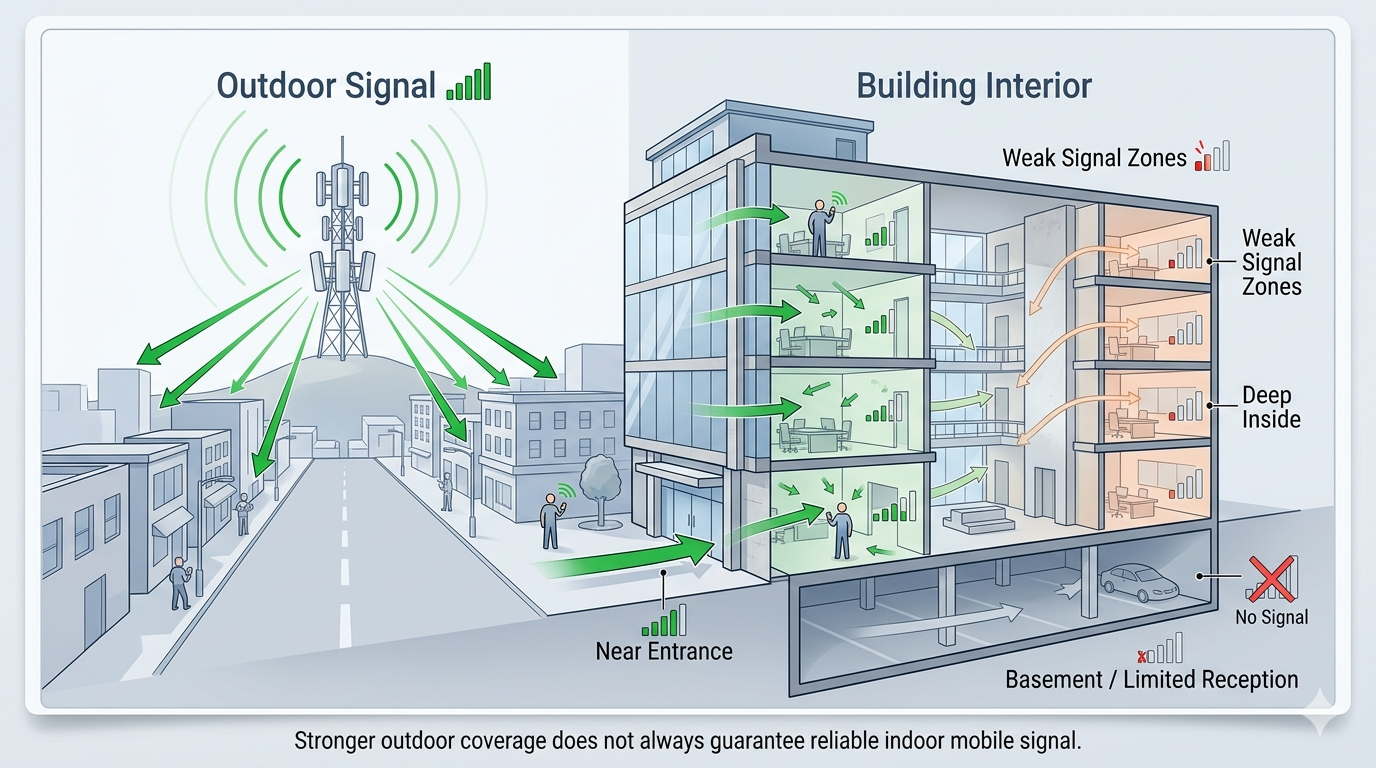
This is the key point many building owners and project decision-makers miss. More towers can improve macro network coverage outside, but they do not automatically guarantee stable indoor signal performance. Once mobile signal has to enter a building and travel through concrete walls, coated glass, steel structures, ceilings, long corridors, or underground areas, signal strength can drop quickly. That is why indoor coverage is still a separate engineering issue, even when the outdoor network is improving.
More Telecom Towers Help Outdoor Coverage — But Indoor Signal Is a Different Problem
At the network level, new telecom towers help extend service reach, strengthen outdoor coverage, and support wider digital development. For Nigeria, that is an important direction. But large buildings do not behave like open outdoor environments. Indoor mobile performance depends on signal penetration, floor layout, construction materials, vertical distribution, and the actual weak-signal zones inside the building.
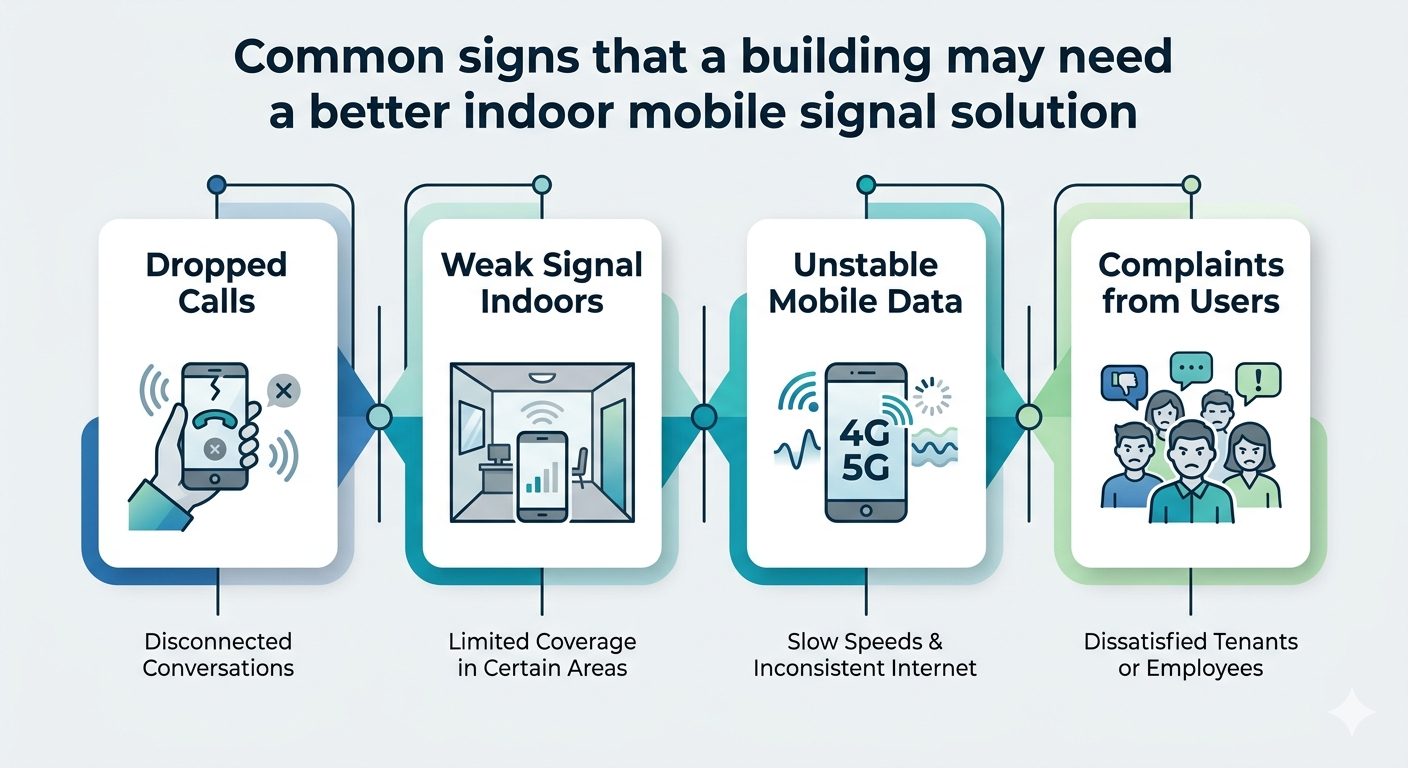
In technical terms, this is the difference between macro outdoor coverage and usable indoor mobile coverage. A user may have acceptable signal outside the property, yet still experience dropped calls, unstable 4G/5G data, or dead zones inside meeting rooms, hotel guest rooms, warehouse corners, service corridors, or basement areas. In other words, stronger outdoor infrastructure does not always translate into stronger indoor user experience.
Why Indoor Mobile Signal Is Still Weak in Many Buildings
1. Signal penetration loss from modern building materials
Many buildings reduce mobile signal before it can reach users indoors. Materials such as reinforced concrete, metal structures, insulated walls, and low-E glass can reflect, scatter, or attenuate radio signals. This is especially common in newer commercial buildings that prioritize energy efficiency and enclosed structural design.
2. Large layouts create uneven indoor coverage
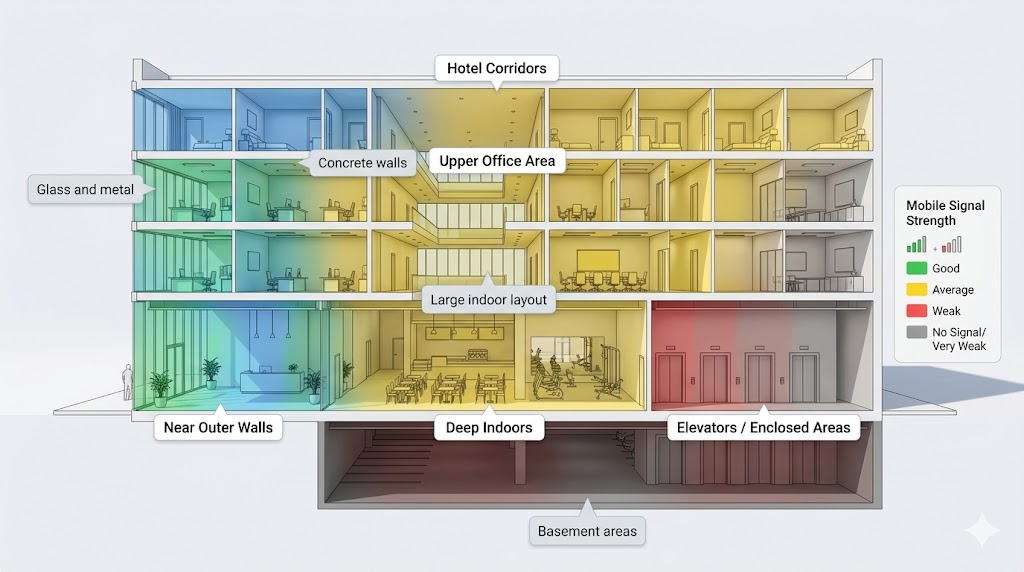
Even when signal enters part of the building, it may not distribute evenly. A hotel lobby may have acceptable signal while guest rooms at the far end of the building do not. An office reception area may work well while interior meeting rooms remain weak. A warehouse may have usable signal near the entrance but poor coverage in deep operational zones. Large floor plates, multiple levels, and enclosed sections make indoor signal distribution far more complex than outdoor coverage maps suggest.
3. Underground and semi-enclosed areas are naturally harder to cover
Basements, underground parking garages, equipment rooms, and service tunnels are some of the most common weak-signal zones. These spaces are physically shielded from outside network signals, so they often require dedicated indoor coverage planning rather than depending on tower signal penetration alone.
Why This Matters More in 2026
Indoor connectivity is no longer a secondary issue. Ericsson has repeatedly noted that a large share of people’s time and mobile data usage now happens indoors, with around 80 percent of mobile traffic consumed indoors and many enterprise environments depending heavily on reliable in-building connectivity. For commercial buildings, this means weak indoor signal is not just a user inconvenience — it can directly affect operations, response time, tenant satisfaction, staff coordination, and customer experience.
For building owners in Nigeria, the business impact can be very practical:
dropped calls in offices and meeting spaces
unstable 4G/5G service in hotels and malls
weak communication in warehouses and factories
signal complaints from tenants, staff, or visitors
poor mobile experience in parking areas and internal service zones
Which Types of Buildings Often Need Better Indoor Coverage?
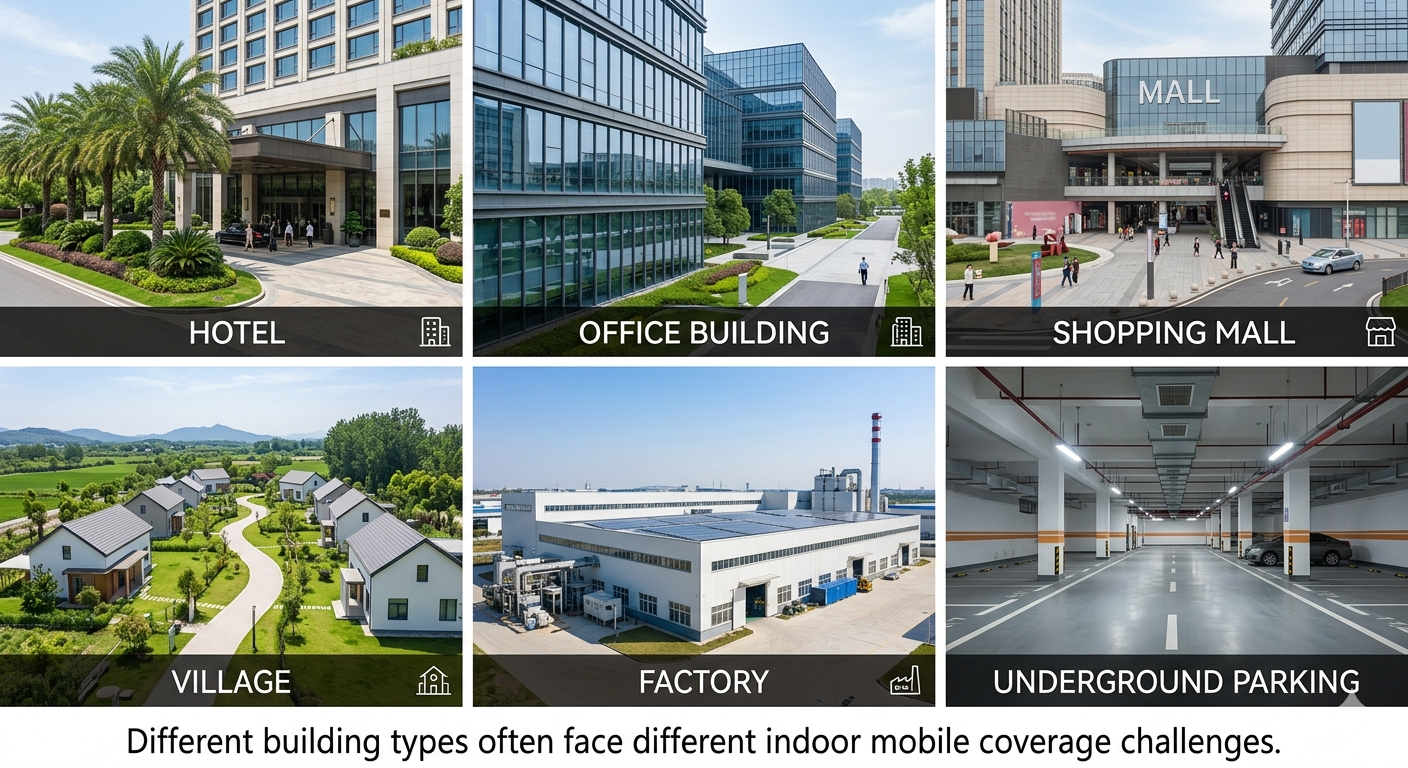
In real projects, the same categories appear again and again.
Hotels
Guest rooms, hallways, elevator lobbies, and enclosed service areas often have inconsistent signal performance.
Office Buildings
Partition walls, multiple floors, glass facades, and interior rooms can all create weak indoor coverage zones.
Shopping Malls and Commercial Complexes
Large internal spaces, dense structures, and high user movement make indoor signal performance harder to maintain.
Warehouses and Factories
Industrial layouts, long-distance internal areas, metal interference, and operational separation often require planned indoor signal distribution.
Villas and Large Residential Buildings
Larger multi-room layouts can produce indoor dead zones even when outdoor mobile signal is present.
Underground Parking Areas
These are among the most typical scenarios where outside-in signal penetration is not enough.
What Building Owners Should Evaluate Before Choosing a Solution
Before trying to solve weak indoor signal, building owners should first evaluate the real site conditions.
Existing outdoor donor signal
An indoor solution starts with understanding what outdoor signal is available from the target operator or operators.
Weak-signal zones inside the building
Decision-makers should identify where the actual problems occur: guest rooms, office interiors, underground levels, storage zones, service areas, or upper floors.
Coverage objective
Different buildings have different priorities. A hotel may care most about guest rooms and public areas. A warehouse may focus on operational zones. An office building may prioritize stable calls and data across workspaces and meeting rooms.
Installation path and building conditions
Cable routes, equipment placement, antenna positions, power access, and maintenance conditions all affect whether the final solution is practical and stable over time.
This is why generic product-first thinking usually does not work well for engineering projects. What works in a villa may not work in a shopping mall. What works in a small office may not work in a warehouse or underground parking structure.
Why Custom Indoor Signal Solutions Still Matter
For large buildings, the real question is not simply whether mobile signal exists outside. The real question is whether users can rely on it where they actually work, move, operate, and communicate.
A practical indoor mobile signal project usually starts with the site itself:
evaluate the building layout
assess outdoor and indoor signal conditions
define coverage goals
choose the right engineering approach
optimize deployment for the real environment
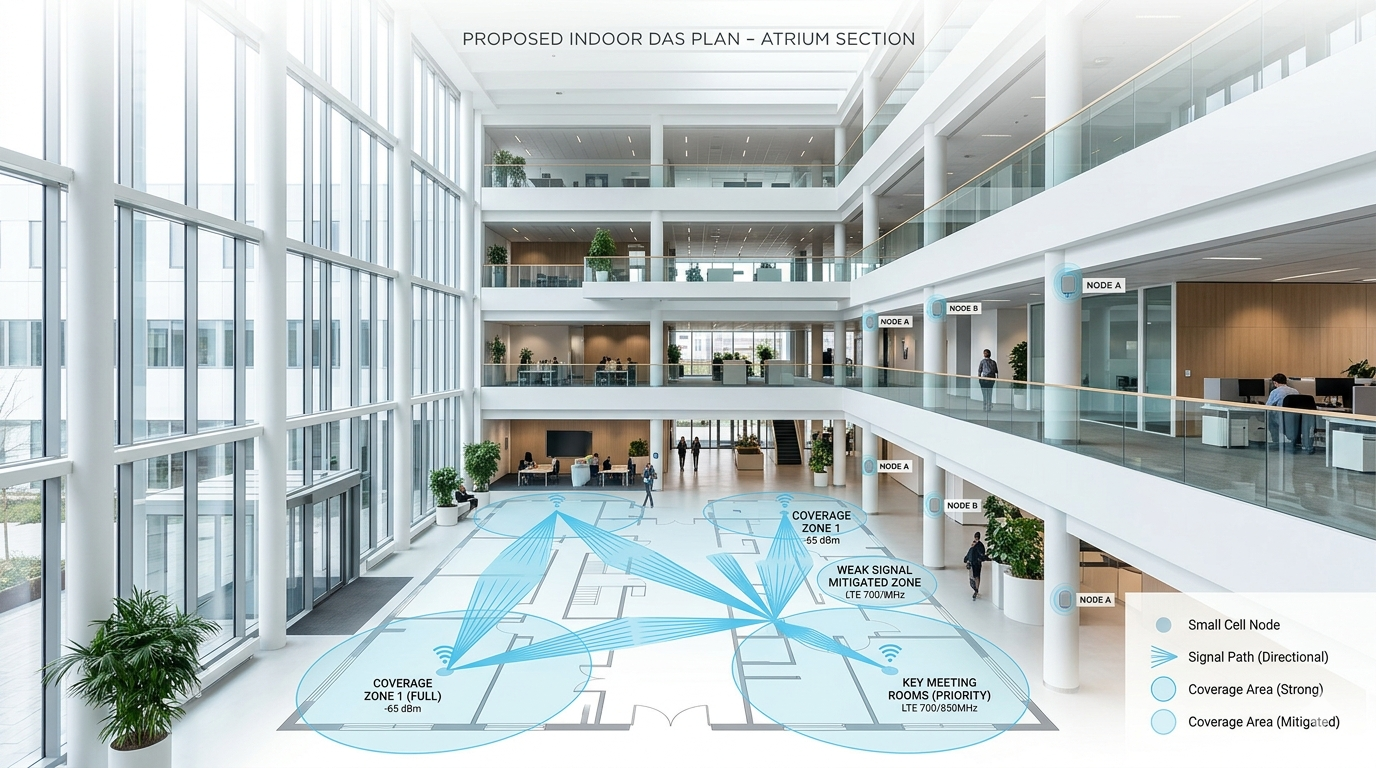
Depending on the project, this may involve a repeater-based indoor coverage design, distributed indoor antennas, fiber-fed extension architecture for long-distance transmission, or a more customized building signal solution. The correct approach depends on the building size, structural conditions, target bands, operator environment, and coverage range.
How Callboost Supports Indoor Mobile Signal Projects
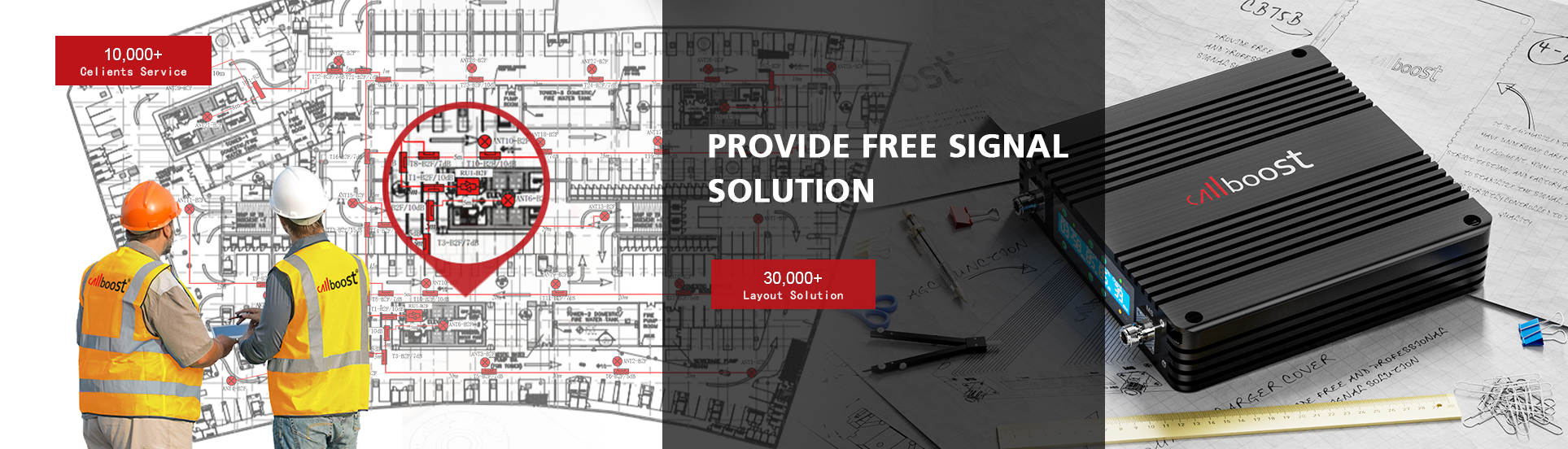
Callboost positions itself as a professional phone signal booster manufacturer and custom signal solution provider for buildings, commercial spaces, rural areas, underground environments, and outdoor coverage projects. On its website, the company says it provides free engineering signal solutions, custom signal coverage services, and project-based support for offices, hotels, warehouses, shopping malls, residential buildings, and other weak-signal environments. Callboost also states that it has built over 3,000 signal solution blueprints and supported more than 10,000 customer projects.
For building owners and engineering buyers, that matters because indoor signal projects are rarely solved by choosing a single off-the-shelf device without planning. They usually require some combination of:
site-based signal assessment
frequency band matching
equipment selection
indoor antenna distribution design
installation guidance
testing and optimization
This is where a manufacturer with engineering-solution capability is more relevant than a seller that only pushes generic retail boosters.
Conclusion
Nigeria’s plan to add 1,000 telecom towers in 2026 is a strong sign of ongoing investment in national connectivity. But for hotels, offices, malls, warehouses, factories, villas, and underground parking areas, indoor mobile signal remains a building-level challenge. More towers can improve outdoor network coverage, but they do not automatically fix signal penetration loss, structural shielding, or uneven indoor distribution.
That is why custom indoor signal solutions still matter.
For building owners, facility managers, contractors, and project decision-makers in Nigeria, the takeaway is simple: if the signal outside looks acceptable but the user experience inside is still poor, the problem is no longer just the network outside. It is the building itself — and that usually requires a site-based indoor coverage solution.
If your building in Nigeria still suffers from weak indoor mobile signal, Callboost can help you evaluate the site and provide a customized indoor signal coverage solution for your actual project environment.